Midsummer Common: Cambridge's historic riverside common
Beyond Jesus Green, Midsummer Common is an open stretch of grassland beside the River Cam that is still grazed by cattle and still hosts one of Cambridge's oldest fairs.
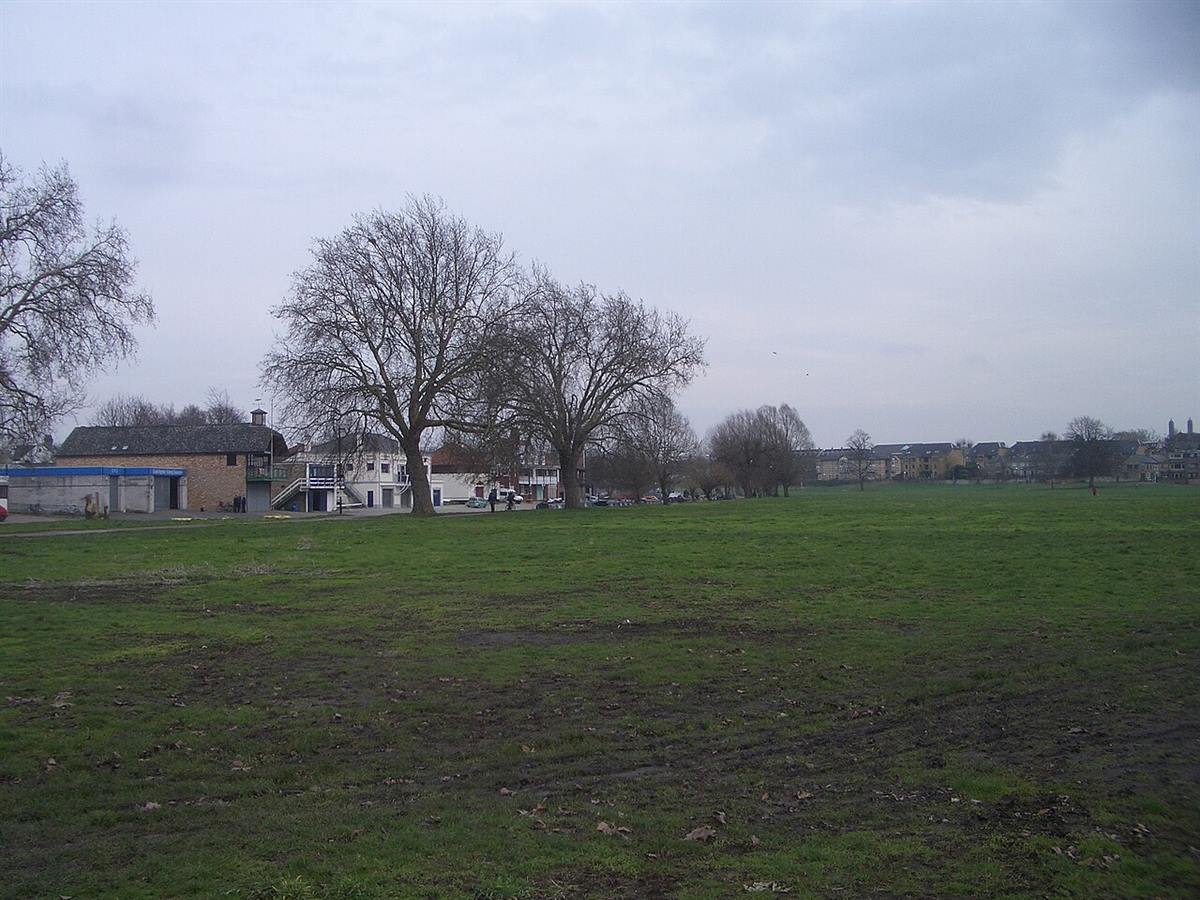
Midsummer Common at a glance
Midsummer Common is an open green space bordering the River Cam. Houseboats are commonly moored along the south bank, while college boathouses stand on the north bank. It lies across Victoria Avenue from Jesus Green.
What makes it a common
Midsummer Common remains registered common land with seasonal livestock grazing, while Jesus Green works mainly as a formal park and recreation ground.
Cattle on the common
Cambridge City Council says Red Poll cattle graze the common between April and October when events permit. Keep dogs under close control around livestock, close any gates behind you, and keep your distance from the animals.
The River Cam edge
The riverbank here is a long, open stretch for walking and cycling. Houseboats line the south bank and college boathouses line the north, which gives the river a very different character from the stretch around Quayside.
Midsummer Fair since 1211
King John granted the Midsummer Fair to Barnwell Priory in 1211, and in 1232 Henry III permitted it to run for four days, from 22 to 25 June. The 1211 date is the formal royal grant, not necessarily the start of the tradition, since local gatherings and trade may be older. The fair continues today as one of Cambridge's major annual events.
Other events
The common also hosts Strawberry Fair and the city's annual bonfire night celebration. Event set-up and clear-up can affect access and grazing, so conditions vary through the year.
Landscape and wildlife
The common is designated a County Wildlife Site and forms part of the Cam corridor's riverside grassland. Grazing is a historic way of managing it, and the council's biodiversity documents describe the ecological condition as poor but stable, with better grazing management identified as an opportunity for improvement.
The names and the boundary
The area has been known by several names, including Midsummer Green, Greencroft and Butts Green. Victoria Avenue and Victoria Bridge, built in 1890, divided the formerly continuous meadow and set the modern boundary between the common and Jesus Green.
Jesus Green or Midsummer Common?
Choose Jesus Green for play areas, sports facilities, the lido and a more formal park layout. Choose Midsummer Common for a broader, more open riverside landscape. Beyond Jesus Green, Midsummer Common can feel peaceful outside major events, although shared paths, grazing cattle and seasonal fairs make conditions vary through the year.
Walking from Quayside
Follow the riverside boardwalk from Quayside through Jesus Green, then cross Victoria Avenue to reach the common. See the visitor guide for the wider area.
Plan your visit
Event dates, grazing periods and any restoration work change from year to year. Do not rely on picnics, access or quiet conditions during event set-up, grazing operations or works.
Information checked October 2026. Check the Cambridge City Council website for current notices.
Frequently asked
Yes. Red Poll cattle usually graze the common from April to October, between events. Give them space and keep dogs close.
The fair has traditionally been held around midsummer, following the four days in late June allowed in 1232. Exact dates change each year, so check the council or fair organisers.
They were once one meadow, divided by Victoria Avenue in 1890. Jesus Green became a formal park and recreation ground. Midsummer Common remained a grazing common.
Start from the river
Directions to Quayside and what to see on the way.